Understanding the Rise of “레플리카” in Popular Culture
The term “레플리카” has gained significant traction in recent years, especially in fields related to fashion, art, and collectibles. In essence, 레플리카 refers to a replica or a reproduction of an original item. This concept has captivated the imaginations of many, offering a glimpse into the accessibility and democratization of otherwise exclusive items.
The fascination with 레플리카 items lies in their ability to mimic original pieces with astounding accuracy. In sectors such as luxury fashion and high-end collectibles, 레플리카 items have become a phenomenon, allowing enthusiasts to own a piece of history or high fashion without breaking the bank. Yet, the rise of 레플리카 items also raises questions about authenticity, value, and the ethical implications of reproducing original works.
The Appeal of 레플리카 Items
Why do people gravitate towards 레플리카 items? The reasons are varied and complex. For some, it is about affordability. Original art pieces, designer handbags, and rare collectibles often come with price tags that are out of reach for the average consumer. 레플리카 items, on the other hand, offer a more budget-friendly alternative. They allow individuals to enjoy the aesthetic and functional qualities of the original without the financial burden.
- Affordability compared to original items
- Access to otherwise unavailable designs
- An opportunity to engage with art and culture
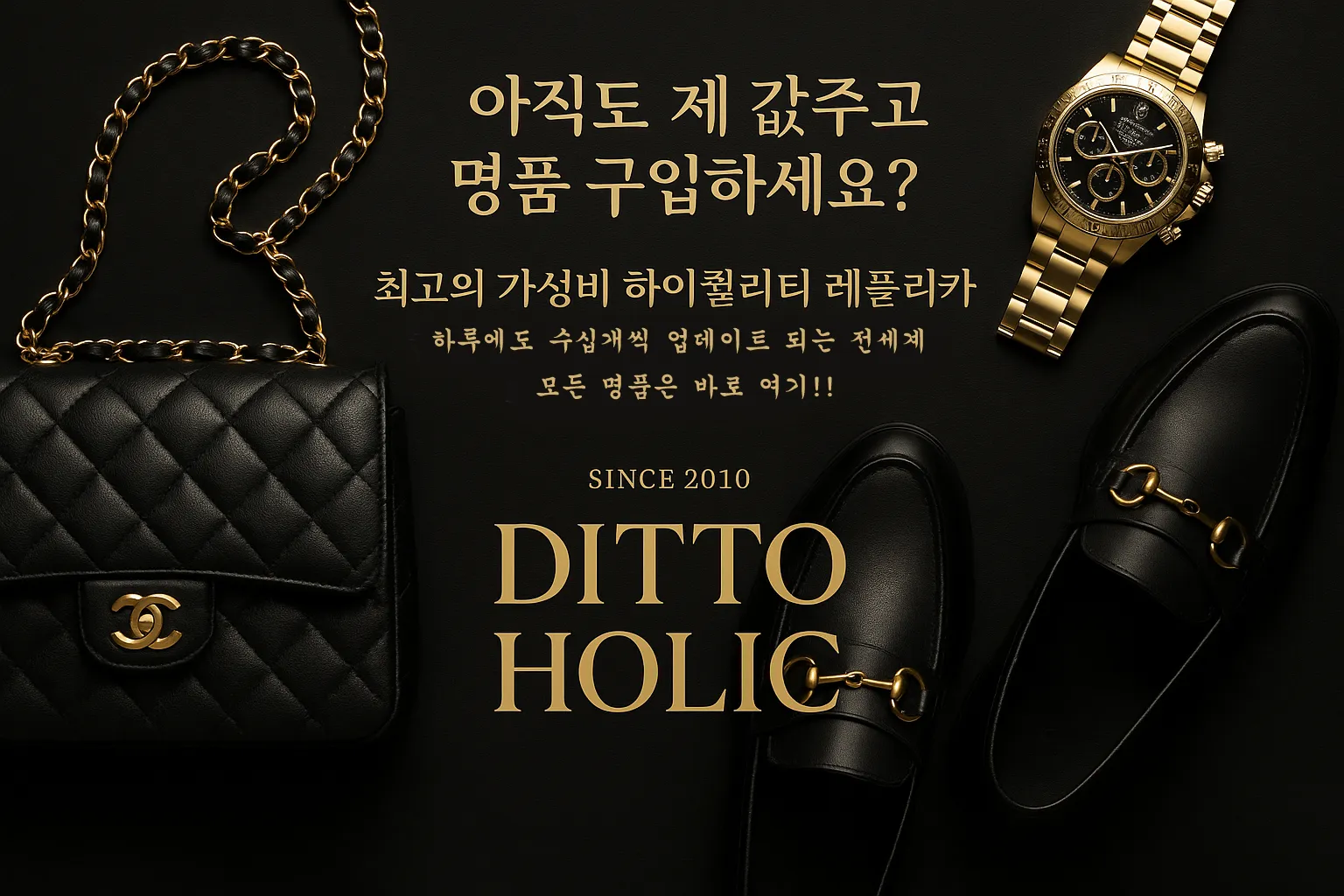
Moreover, 레플리카 items provide access to designs and pieces that might no longer be available. Limited edition collections or artworks housed in private collections can be recreated with 레플리카, making them accessible to a broader audience. This democratization of culture is one of the key benefits cited by proponents of 레플리카 items.
Challenges and Ethical Considerations
However, the popularity of 레플리카 items is not without its controversies. One of the primary concerns is the impact on the value and integrity of original works. When 레플리카 items flood the market, they can potentially dilute the perceived value of the originals. This is particularly significant in the art world, where provenance and authenticity are crucial.
Moreover, the production and sale of 레플리카 items often raise ethical questions. There is an ongoing debate about the rights of original creators and the legal implications of reproducing their work without permission. While some argue that 레플리카 items serve as a form of homage to the original, others view it as a form of intellectual property theft.
레플리카 in the Digital Age
The digital revolution has further complicated the landscape for 레플리카 items. With the advent of advanced manufacturing technologies such as 3D printing, creating 레플리카 items has become easier and more accessible. Digital platforms also allow for the distribution of 레플리카 items on a global scale, reaching audiences that were previously inaccessible.
Yet, this digital transformation also offers opportunities for innovation. Artists and designers have begun to embrace the concept of 레플리카 as a legitimate form of creative expression. By reimagining original works and infusing them with new meaning, these creators are redefining what it means to produce a 레플리카.
Conclusion
The world of 레플리카 is a fascinating intersection of art, commerce, and technology. While it offers numerous benefits, such as affordability and accessibility, it also presents challenges that need to be navigated carefully. As consumers, understanding the implications of 레플리카 items is crucial in making informed decisions.
If you’re interested in exploring 레플리카 items, consider researching the ethical practices of the producers and the impact on the original creators. Engage with the broader conversation about the value and authenticity of art and design in the modern age.